
About GUHP
What is Global Urban History?
GUHP (pronounced “gup”) understands global urban history as the study of cities as creations or creators of larger-scale or global historical phenomena. It celebrates the fact that scholars approach the intersection of urban and global history from different directions. Some travel along “transnational turns” in various subfields. Others draw on the concept of networks, looking at urban connections across oceans, between colony and metropole, or along trade routes and supply chains. Others see cities as incubators of historical change with potentially global ramifications or think of cities in relation to their variably-sized hinterlands. Others focus on the international travels of a particularly important figure in urban affairs. Some scholars aim mostly to compare different cities. Some projects focus on a single “hub” city, others on two or more cities, still others on cities across an entire regions or empires; and still others aim to synthesize larger world-historical narratives, or connect urban history to environmental and planetary history. In short, global urban history, as understood in the GUHP, can comprise many geographical scopes of inquiry and many theoretical inspirations.
Why Do We Need a Global Urban History Project?
Two observations inspired us in creating this initiative. While there are growing numbers of global urban historians, they are usually minority members of existing professional associations in urban history, areas studies, period studies, or global history. The members of the GUHP Board of Directors demonstrate the variety of scholars involved in global urban history: our chief professional contacts are in Latin American History, Middle Eastern History, U.S. History, European History, International Planning History, East Asian History, Early-Modern Colonial and Atlantic History, and the History of Empires and Decolonization. Contributors to the networks upon which GUHP was founded, that of the Global Urban History blog and the Research Network Global Cities: Past and Present, come from an even wider range of professional homes. The members of GUHP come to us from literally dozens of scholarly associations. Since its founding GUHP has widened its range of institutional partnerships to reflect its scope of inquiry. We have also partnered extensively with other urban history and urban studies associations.
The second observation that guided this project is that global urban historians face research challenges unique to the hybrid nature of their field that require sustained attention and wider networks of collaboration and inspiration. Often, scholars in global urban history encounter, for instance, a need to combine dense archival research on specific localities in the traditional manner of urban historians while also substantiating claims about phenomena that operate on a variety of larger and longer scales, including the world as a whole and from pre-modern times to the present. Global urban historians must engage with a variety of historiographies, ranging from the history of capitalism to the history of migration. At the same time, we are confronted with the need for direct and insistent interrogations of Eurocentrism, US-centrism, and other potentially problematic stories of exceptionalism in urban history, including those involving the very definitions of the urban. Last but not least, scholars in global urban history have to critically engage, from the perspective of historians, with decades of highly evolved research and theorizing across the many fields of urban studies pertaining to global cities, globalization, network societies, “planetary urbanization,” and urban political ecology. These observations illustrate some of the specific challenges that scholars in global urban history face. We are convinced that coming together in the GUHP will not only help in identifying these challenges, but also in finding ways to tackle them effectively.
Journal Articles on Urban History

This chart, compiled by Michael Goebel, one of GUHP’s founding Board Members, shows the disparities in published journal articles on Urban History as of 2017, the year of GUHP’s founding. For its tenth anniversary, GUHP plans to commission a follow up study.
Launching GUHP
The Global Urban History Project first came into being at the final meeting of the Research Network on Global Cities: Past and Present , convened by Emma Hart (University of St. Andrews) and Mariana Dantas (Ohio University) and hosted by Jessica Roney at Temple University in Philadelphia on February 28, 2017. Michael Goebel (Freie Universität Berlin) represented the editorial team of the Global Urban History blog, which also includes Joseph Ben Prestel (Freie Universität Berlin) and Tracy Neumann (Wayne State University). Other founding members included Nancy Kwak (University of California San Diego) and Carl Nightingale (University at Buffalo, SUNY).
Working with this group as an Organizing Team, Carl Nightingale took the lead in establishing the Project as a tax-exempt organization with its own website and Board of Directors. The goals of the website are to introduce ourselves to each other, promote members’ work, and increase awareness of the Project and its ongoing activities and accomplishments.
From this site, scholars in the field can become members of GUHP and organize activities appropriate to the pursuit of its mission. In addition to creating an online directory based on member profiles, we use our web presence to facilitate face-to-face and electronic conversations and information-sharing relationships between Project members. Through the GUHP Emerging program, we promote mentorship between the GUHP’s more established and its emerging members, co-sponsor conference panels, and organize independent workshops and professional meetings that showcase work in the field. Your membership and registration fees help support all of these activities.
Financial Support for GUHP
GUHP thanks the Rowboat Family Foundation for its support of GUHP’s start-up costs and early organizational development.
The NYU History Department has generously supported the work of a Graduate Student Communications Specialist to GUHP’s newsletter, Noteworthy in Global Urban History, maintain our social media feeds, and maintain our website. GUHP is deeply grateful for this ongoing support.
GUHP thanks Dean Robin Schulze of the University at Buffalo College of Arts and Sciences for making the services of our Graduate Assistant and Editor of “Noteworthy in Global Urban History,” Guangzhi Huang, available to the Project during 2017-18.
Thanks to the Latin American Studies Program of Ohio University for supporting a Research Assistant in strengthening GUHP’s Bibliography project.
Board of Directors
GUHP is governed by a Board of Directors (Board) and guided by an International Advisory Committee (IAC). We invite any member interested in serving on the Board or the IAC, or who would like to suggest someone else for the role, to email GUHP’s coordinator. GUHP has a special interest in recruiting leadership from scholars who work in universities in Asia, Africa, Latin America, the Caribbean, and the Pacific.
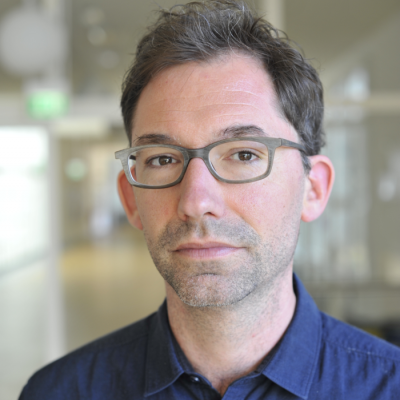
Michael Goebel, President, Term: 2025-2027
Michael Goebel is Einstein Professor of Global History at Freie Universität Berlin. He is the author of several works on Atlantic histories of migration and of Anti-Imperial Metropolis: Interwar Paris and the Seeds of Third World Nationalism. He co-edits the Global Urban History blog and Cambridge Elements in Global Urban History series. He holds a PhD from University College London and previously worked at the European University Institute, Florence; Harvard University; and Geneva Graduate Institute.
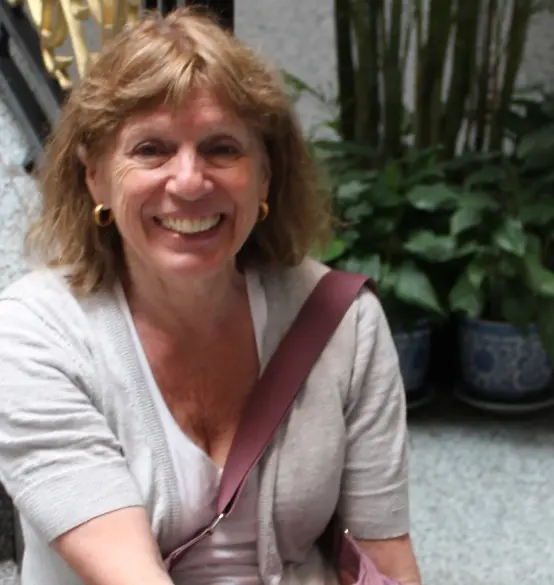
Rosemary Wakeman, Past President, 2021-2025
Current Board Term: 2025-2027
Rosemary Wakeman is Professor of History at Fordham University. Her most recent publication is A Modern History of European Cities: 1815 to the Present (Bloomsbury, Jan. 2020). She is also the author of Practicing Utopia: An Intellectual History of the New Town Movement (University of Chicago Press, 2016) and The Heroic City: Paris 1945-1958 (University of Chicago Press, 2009) and has published widely on cities and urban history. She was a Fulbright Global Scholar in 2018-19 and a Senior Fellow at the Institute for Advanced Study, Central European University in 2018. Wakeman is co-editor of the Urban History journal published by Cambridge Press. She is on the Editorial Board of Planning Perspectives journal, the Built Heritage journal, and Fordham University Press. She is a member of the International Committee for the European Urban History Association as well as for the Global Urban History Project. She is currently working on a book project entitled “Global Crossroads: London, Shanghai, Bombay.” She recently published Practicing Utopia: An Intellectual History of the New Town Movement (University of Chicago Press, 2016) and A Modern History of European Cities: 1815 to the Present (Bloomsbury, Jan. 2020).
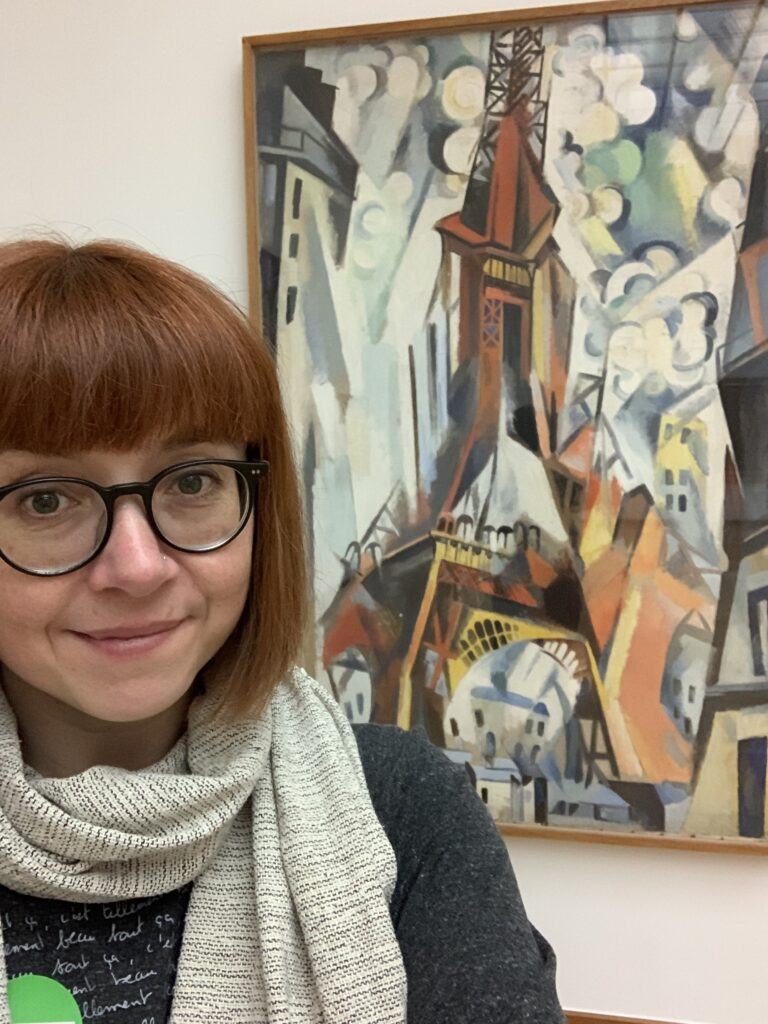
Alexia Yates, Treasurer, 2025-2027
Current Board Term: 2025-2027
Alexia Yates is a Senior Lecturer in Modern History at the University of Manchester. She is a historian of economic life, focusing on urban political economy, business history, and the history of popular finance in modern Europe. Her most recent book is Real Estate and Global Urban History, part of the Cambridge Elements in Global Urban History series (2021), and she has served as part of the program teams for the Dream Conversations series and GUHP Emerging. She is most interested in focusing on programming for emerging scholars.
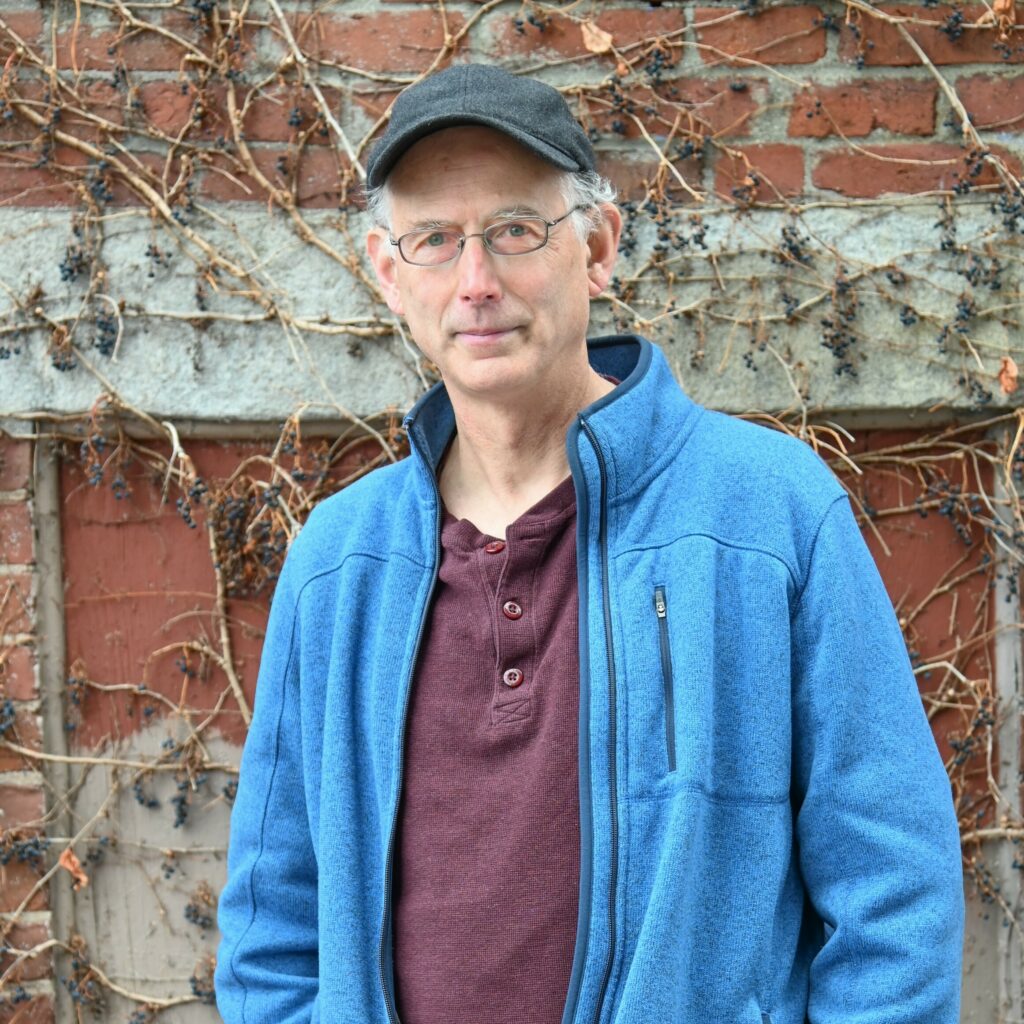
Carl H. Nightingale, Co-Coordinator, 2017-present
Current Board Term: 2024-2026
Carl H. Nightingale had taught urban history and global history to thousands of students over the last 30 years as a professor at the University at Buffalo (SUNY), the University of Wisconsin Milwaukee, and the University of Massachusetts. He is the author of Segregation: A Global History of Divided Cities (Chicago, 2012), Earthopolis: A Biography of Our Urban Planet (Cambridge, 2022), and the forthcoming Our Urban Planet in History and Theory for the Cambridge Elements in Global Urban History series. He is a Board member of PUSH Buffalo, a community-based organization that harnesses the power of residents of the city;s West Side to build sustainable affordable housing and create jobs in accordance with the “Just Transition” framework for climate justice. He is Co-Coordinator with Tracy Neumann of the Global Urban History Project and will continue in that post for the coming term as GUHP continues its online programming and hosts its second major in-person conference in the summer of 2025.
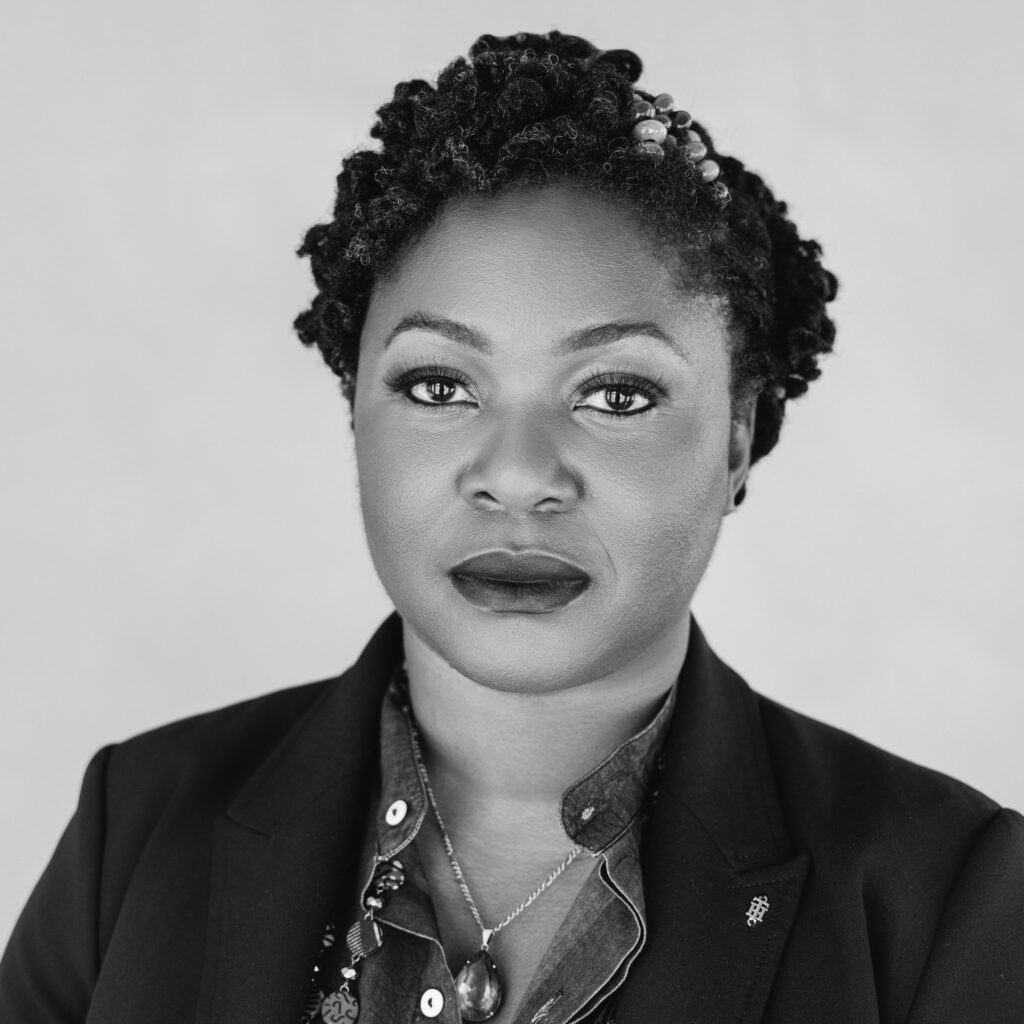
Ademide Adelusi-Adeluyi
Current Board Term: 2026-2028
Trained as both historian and computer engineer, Ademide Adelusi-Adeluyi’s research into the history of West African cities combines a set of interdisciplinary interests in maps, mapmaking, and digital humanities. Her 2024 book, Imagine Lagos: Mapping History, Place and Politics in a 19th Century African City, explores the city’s 19th-century history, rebuilding its past as a series of encounters: between men and women, between the past and present, enslaved and free, Eko (the old town) and Lagos, and between the land and lagoons. The maps and data sources are available online at imagineLagos.com. Imagine Lagos won the African Studies Association Best Book Prize for 2024. She is Associate Professor of History at Howard University.
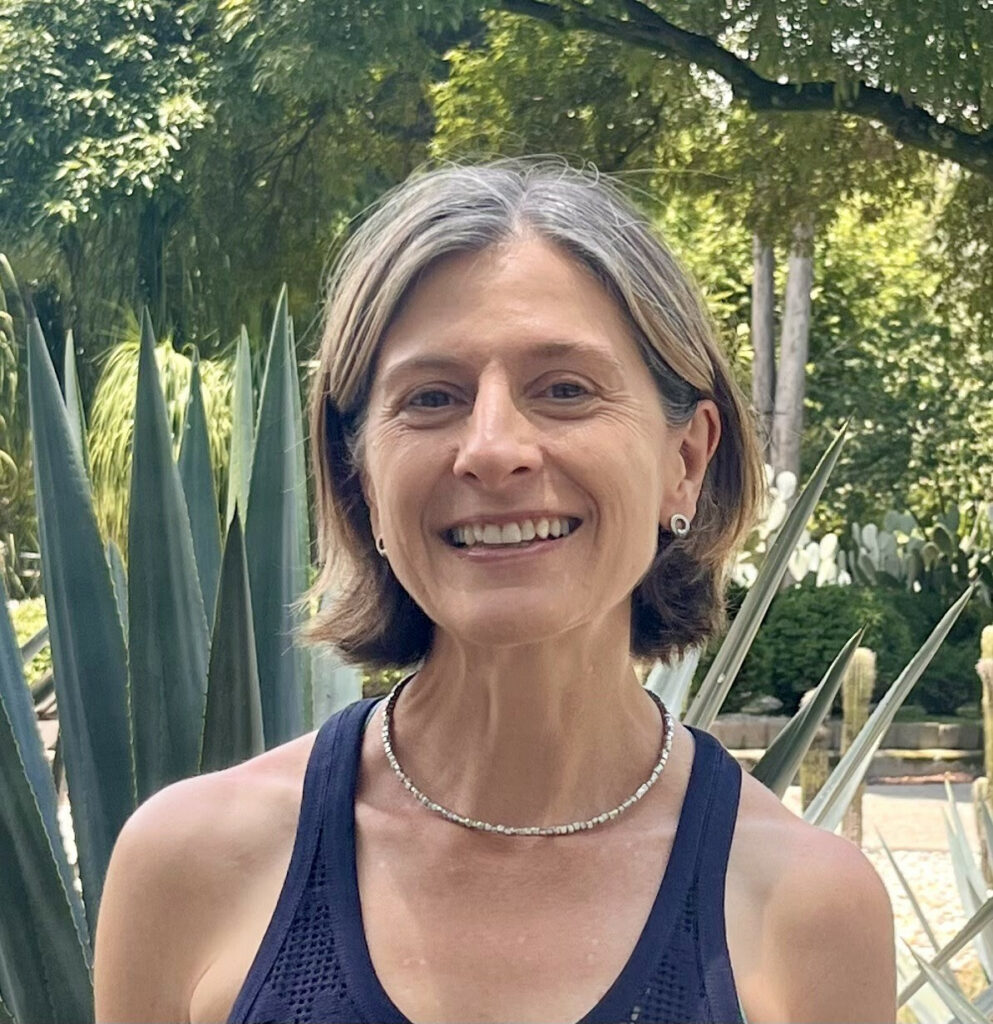
Brodwyn Fischer
Current Board Term: 2026-2028
Brodwyn Fischer (Ph.D. Harvard 1999) teaches history and directs the Global Studies Program at the University of Chicago. She researches cities, law, race, inequality, slavery and social movements in Brazil and Latin America. Her publications include A Poverty of Rights: Citizenship and Inequality in Twentieth Century Rio de Janeiro; Cities from Scratch: Poverty and informality in Urban Latin America (with Bryan McCann and Javier Auyero); The Boundaries of Freedom: Slavery, Abolition, and the Making of Modern Brazil (With Keila Grinberg); and Informal Cities: Histories of Governance and Inequality in Latin Europe, Latin America, and Colonial North Africa (with Charlotte Vorms). She is currently finishing Intimate Inequalities, a book that analyzes urban informality as an afterlife of slavery in Recife, Brazil. Fischer has won several book and article awards, and she currently serves on the editorial boards of Past & Present, The International Journal of Urban and Regional Research, and Labor. She is especially interested in contributing to GUHP’s work to mentor emerging scholars, foster conversations among transnational scholars who approach global urban history from radically different scholarly traditions, and plan conferences that are hubs of meaningful exchange.
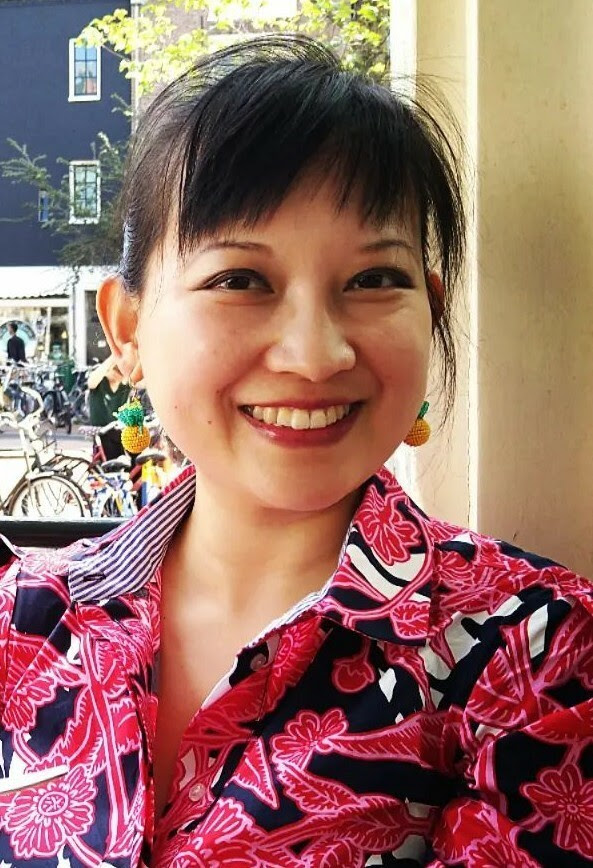
Queenie Lin
Current Board Term: 2026-2028
Queenie Lin is a PhD researcher at the Royal Netherlands Institute of Southeast Asian and Caribbean Studies (KITLV) and Cultural Anthropology and Development Sociology at Leiden University. She is also an active member of ICOMOS Netherlands and ICOM Netherlands. Her work examines the heritage preservation of climate-challenged Dutch overseas settlements in Monsoon Asia—particularly in Indonesia, Malaysia, and Sri Lanka. As a heritage professional, she has been striving to connect academia and society, and engaging cultural heritage research and museum practices with underwater archaeology, environmental preservation and regional regeneration. As an alumna of Emerging Scholars and Dream conversations, she will support and accompany emerging scholars pursuing similar trajectories—especially those come from beyond Euro-American centric backgrounds.
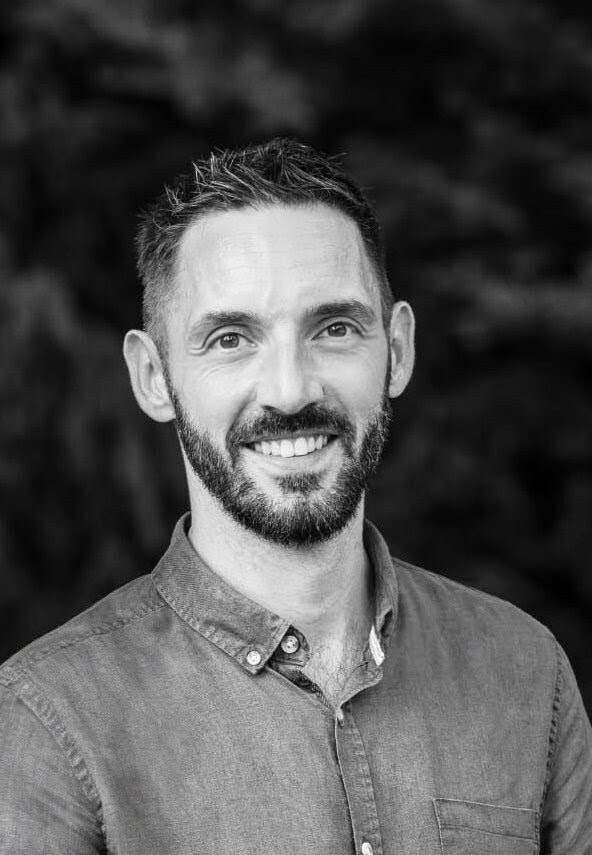
Cédric Feriel
Current Board Term: 2026-2028
Cédric Feriel is a associate professor in history at the University of Rennes 2 (France). He is currently working on global urbanization as an international issue within the newtorks of the United Nations and international organizations during the 1950s-1970s. In particular, he is interested in how the issue of urbanization in the so-called “Third World” has been the subject of international expertise and global policy recommendations, with a special interest on the 1976 Habitat Conference. His work lies at the intersection of urban crisis and planning, colonial/postcolonial issues, resource extraction, and environmental issues. Previously, as part of his thesis, he worked on pedestrianization in city centers as a transnational phenomenon during the 1950s and 1960s between Europe and North America. Cédric Feriel is a member of the French Society for Urban History (SFHU) and a member of the board of the research group Inventing Grand Paris / Entangled History of Metropolitan Areas. As a candidate, Cedric plans to join the prize committee in supporting the contributions of early career scholars to the development of Global Urban History and / or the Programming Committee.
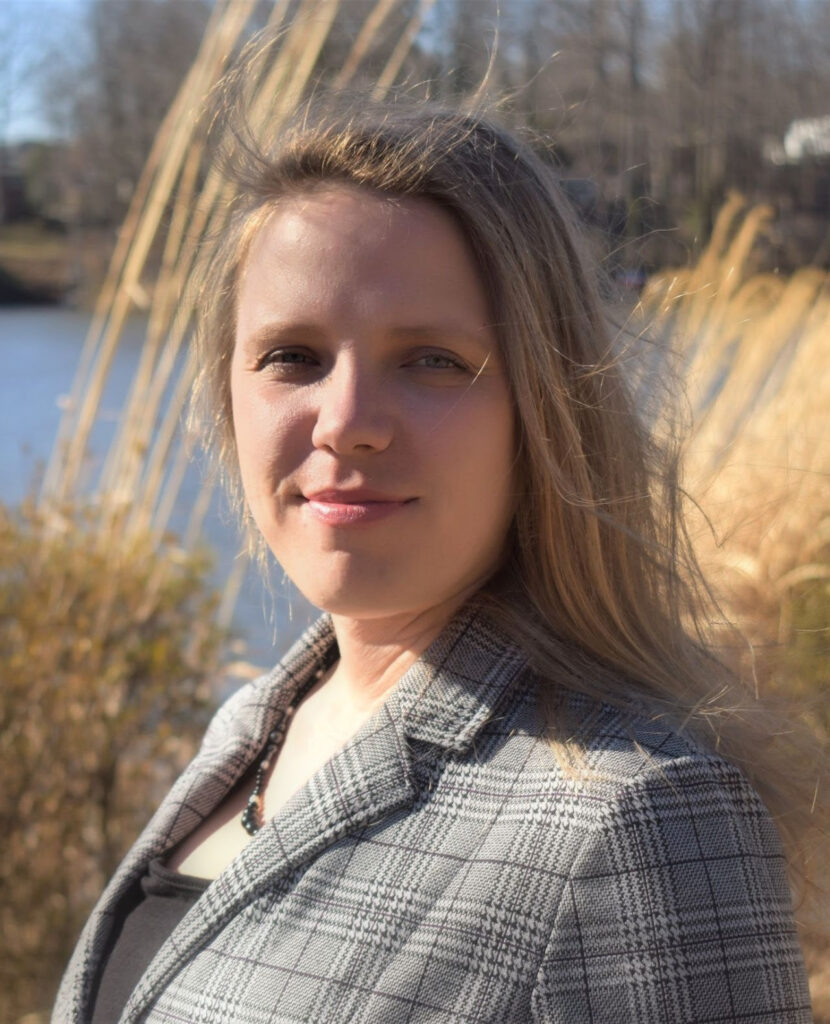
Vyta Pivo
Current Board Term: 2026-2028
Vyta Pivo is a scholar of the intersecting histories of material lifecycles, construction labor, ordinary landscapes, and climate change. Her forthcoming book, Cast in Concrete: How the US Built Its Empire (forthcoming, University of Chicago Press) traces the history of the US cement and concrete industries and their global and transplanetary expansion. Vyta works as an assistant professor of architectural history
at the University of Miami School of Architecture and previously served as a postdoctoral scholar with the Michigan Society of Fellows.
An alum of the GUHP Dream Conversations program, Vyta is passionate about mentoring as well as creating opportunities for young scholars to connect to one another. She is excited to serve on GUHP Emerging Scholars and strategic planning committees, as well as fulfilling other needs of the organization.
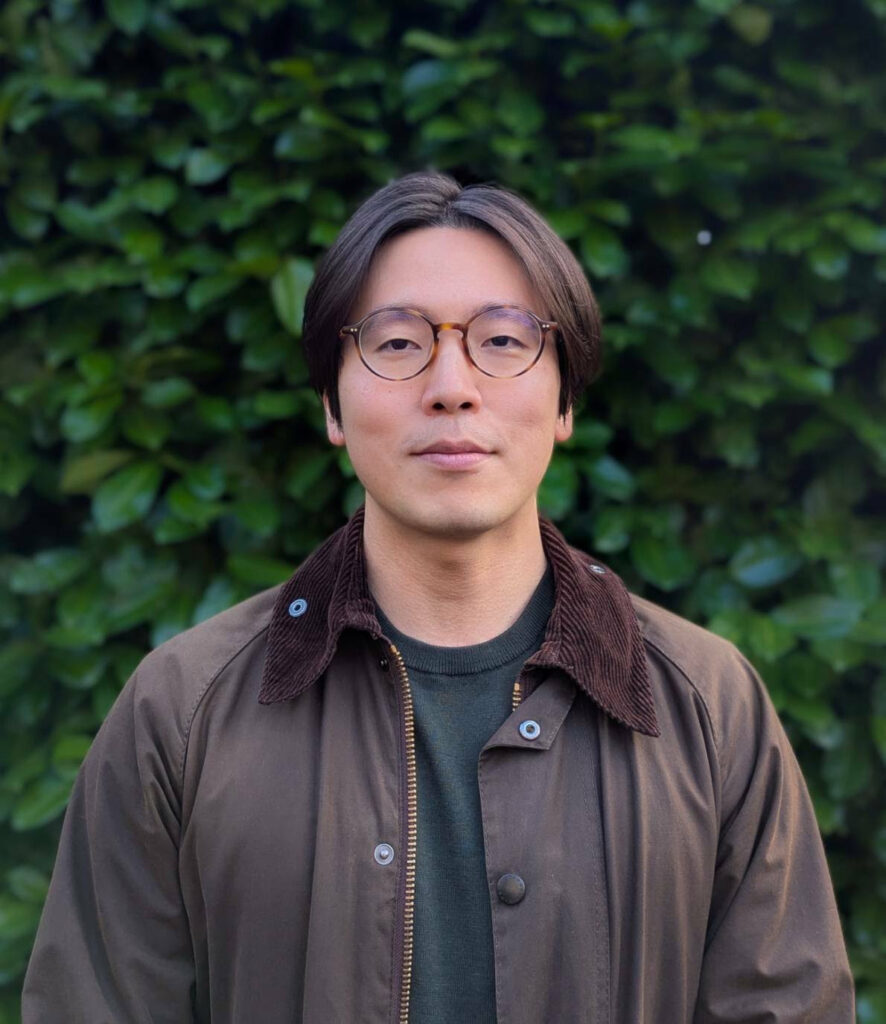
Michael Yeo
Current Board Term: 2026-2028
Michael Yeo is an urban historian of modern Southeast Asia, with a focus on northern Borneo. His research is concerned with the study of coasts, colonialism, and commodities. Michael received his DPhil from the University of Oxford and is currently an Assistant Professor of History at Nanyang Technological University in Singapore. Having benefited from the intellectual life of GUHP, he looks forward to helping the project reach new audiences.
Andra Chastain
Term runs from 2026-2028
Andra Chastain is a historian of modern Latin America with a focus on twentieth-century Chile in a global context. Her research has centered on the global Cold War and its intersections with science, technology, and the urban built environment. She is interested in how broad forces – such as national development, neoliberalism, and environmentalism – shape policies and practices in Latin American cities, and how local actors resisted, adapted, and appropriated these processes for their own ends. She is the author of Chile Underground: The Santiago Metro and the Struggle for a Rational City (forthcoming in 2024 with Yale University Press) and the coeditor, with Timothy Lorek, of Itineraries of Expertise: Science, Technology, and the Environment in Latin America’s Long Cold War (University of Pittsburgh Press, 2020). She has a PhD in History from Yale University and is currently Assistant Professor of History at Washington State University Vancouver. She is working on a new project that explores urban air pollution in the Americas with case studies of Santiago, Mexico City, and Los Angeles.
Abosede George
Term runs from 2026-2028
Abosede George is a historian of Modern Africa based at Barnard College and Columbia University. Her area of specialization is in West African History, most specifically the history of Lagos, the history of youth and childhood, women and gender history, urban history, and migration history. She is the author of Making Modern Girls: A History of Girlhood, Labor, and Social Development which received the Aidoo-Snyder Book Prize in 2015. Her writings have appeared in the American Historical Review, the Journal of Social History, Comparative Studies in South Asia, Africa, and the Middle East, Meridians, Women’s Studies Quarterly, the Journal of West African History, and The Washington Post among other publications. Her current research examines how migrant diasporic and refugee communities reshaped notions of citizenship and belonging in 19th century Lagos.
Kenny Cupers
Term runs from 2026-2028
Kenny Cupers co-founded and leads the Critical Urbanisms program at the University of Basel. He is committed to the development of the architectural and urban humanities through collaborative pedagogy and engaged research. He has published widely on modern architecture, public housing, and planning history. Grounded in primary research, his scholarship analyzes spaces and landscapes in order to answer questions about power and historical change. His forthcoming book The Earth that Modernism Built rewrites the history of architectural modernism for an age of global inequality and deepening ecological crisis.
Carola Hein
Term runs from 2026-2028
Carola Hein is Professor History of Architecture and Urban Planning at Delft University of Technology, Professor at Leiden and Erasmus University and UNESCO Chair Water, Ports and Historic Cities. She has published widely in the field of architectural, urban and planning history and has tied historical analysis to contemporary development. Among other major grants, she received a Guggenheim and an Alexander von Humboldt fellowship. She leads the LDE PortCityFutures Centre focusing on space, society and culture, particularly through the lens of port city territories. She serves on the GUHP board and was the first GUHP president. She serves currently as IPHS President, as IPHS Editor for Planning Perspectives, as editor of the European Journal of Creative Practices in Cities and Landscapes and Asia book review editor for Journal of Urban History. Her recent books include: Oil Spaces (2021), Urbanisation of the Sea (2020), Adaptive Strategies for Water Heritage (2020), The Routledge Planning History Handbook (2018), Port Cities: Dynamic Landscapes and Global Networks (2011).

Eric Beverley
Term runs from 2025-2027
Eric Beverley’s research on South Asia and the Indian Ocean world examines transnational connections and urban change, sovereignty and global state systems, and borderlands and law from the early modern era to the present. He is Associate Professor of History at SUNY Stony Brook and is author of Hyderabad, British India, and the World: Muslim Networks and Minor Sovereignty, c. 1850-1950 (Cambridge 2015; Delhi 2016), as well as numerous articles, and is currently working on a history of urban land and property in twentieth-century Hyderabad City, and a short volume on Indian Ocean urbanism. He serves on the Editorial Board of Comparative Studies of South Asia, Africa, and the Middle East. As a Board member, he is interested in helping develop GUHP programming and envisioning the future of the Project as scholarly organization and intellectual network

Greet de Block
Term runs from 2025-2027
Greet De Block is Professor of Urban History and Co-Director of the Urban Studies Institute at the University of Antwerp, Belgium. Her research is focused on technology as driving force of urbanisation, with particular interest in transport and ecological infrastructure in relation to territorialisation processes. Linking technology, society and socio-spatial development, her work is highly interdisciplinary, combining urban history with Science and Technology Society studies, urban planning, political geography, political ecology, and landscape studies. Besides linking disciplines, research also connects past, present, and future. 19th and 20th-century infrastructure-urbanisation relations are mobilized to provide insight in current global urban condition and related urban theories and practices. She is associate editor of the Journal of Transport History (Sage) and member of the editorial board of Urban Political Ecology (launch in 2025, with Sage).

Lucia Carminati
Term runs from 2025-2027
Lucia is a social and cultural historian of migration and cities in the modern Middle East at the University of Oslo, Norway. She is the author of Seeking Bread and Fortune in Port Said. Labor Migration and the Making of the Suez Canal, 1859–1906, which was awarded the 2024 Best Book in Urban History Award by the Urban History Association and the 2023 Lyman Book Award in World Maritime History by the North American Society for Oceanic History.
I envision contributing to programming and organizing conferences, participating in the prize committee, and offering mentoring opportunities to GUHP emerging scholars. I myself benefitted from the GUHP emerging scholars program and value its great potential.
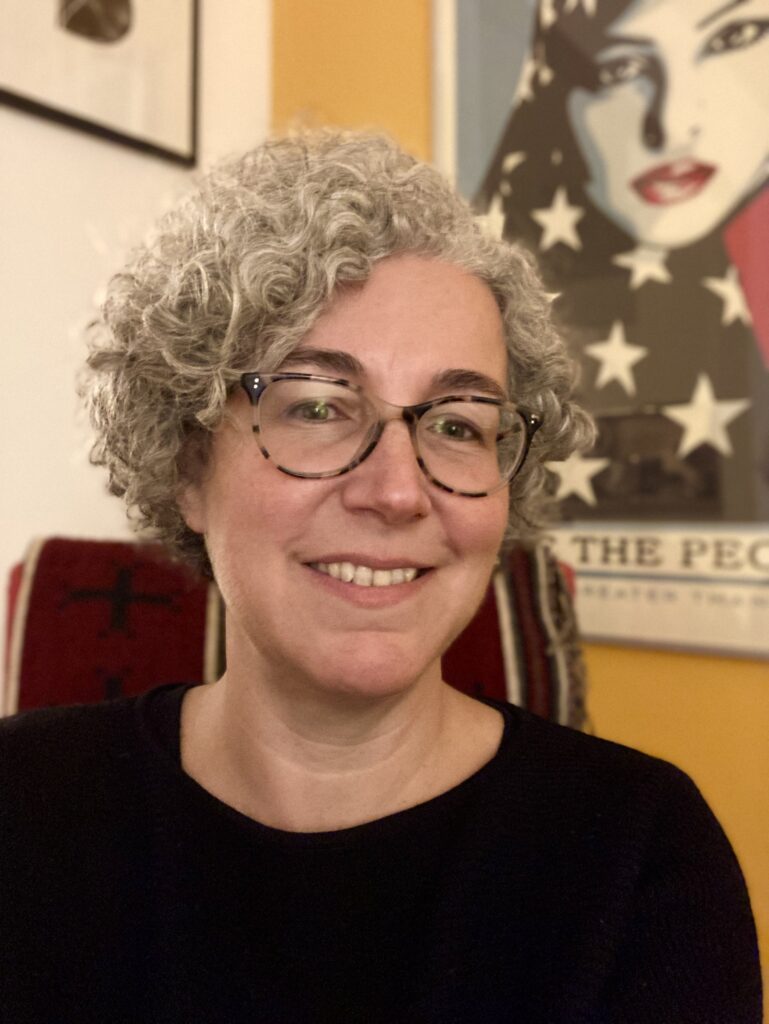
Mariana Dantas
Term runs from 2025-2027
Mariana Dantas became involved with global urban history in 2014, thanks to an AHRC grant from the United Kingdom Emma Hart and she received to build an international research network on the topic “The Global City: Past and Present”. Their collaboration resulted in two edited journal special issues—Urban History and Almanack—, a research methods essay, and a Cambridge Element in Global Urban History , Early Modern Atlantic Cities (forthcoming). More importantly, it connected them to other founding members of GUHP! Mariana has also collaborated with João Júlio Gomes dos Santos Jr. on a special issue of the Brazilian journal Esboços dedicated to global urban history, and edited the special section of the Journal of Urban History that features articles from participants in the 2021-22 GUHP Emerging Scholars Workshop and Symposia. She is the author of Black Townsment: Urban Slavery and Freedom in the 18th-Century Americas (Palgrave, 2008).
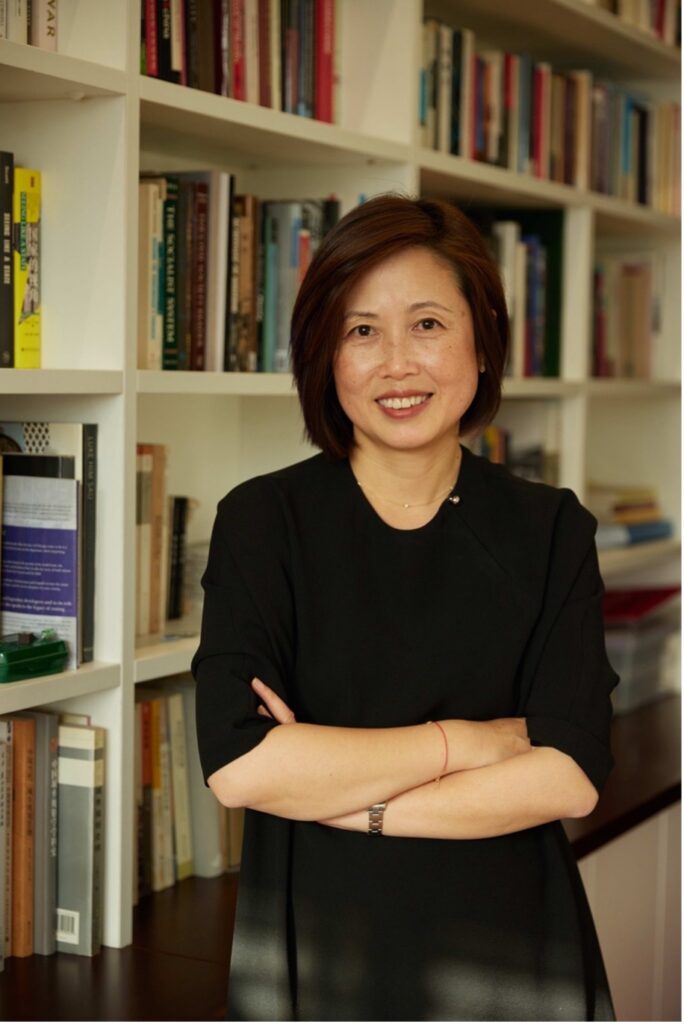
Li Hou
Term runs from 2025-2027
Li Hou is an urban planning educator, researcher, and practitioner with over 20 years of experience. Her scholarly pursuits address the history of urban and regional planning in modern China, comparative planning regulations, and urban politics. Noteworthy publications in urban history include “Building for Oil: Daqing and the Formation of the Chinese Socialist State” (Harvard Asia Center, 2018 & 2021), “Richard Paulick in Shanghai, 1933-1949: The Postwar Planning and Reconstruction of a Modern Chinese Metropolis” (In Chinese, Tongji University Press, 2016). She held the position of Professor of Urban Planning at Tongji University in Shanghai from 2010 to 2022 and is currently a researcher associated with the MIT Sustainable Urbanization Lab. In the GUHP Board, she chairs the Prize Committee for Emerging Scholars.
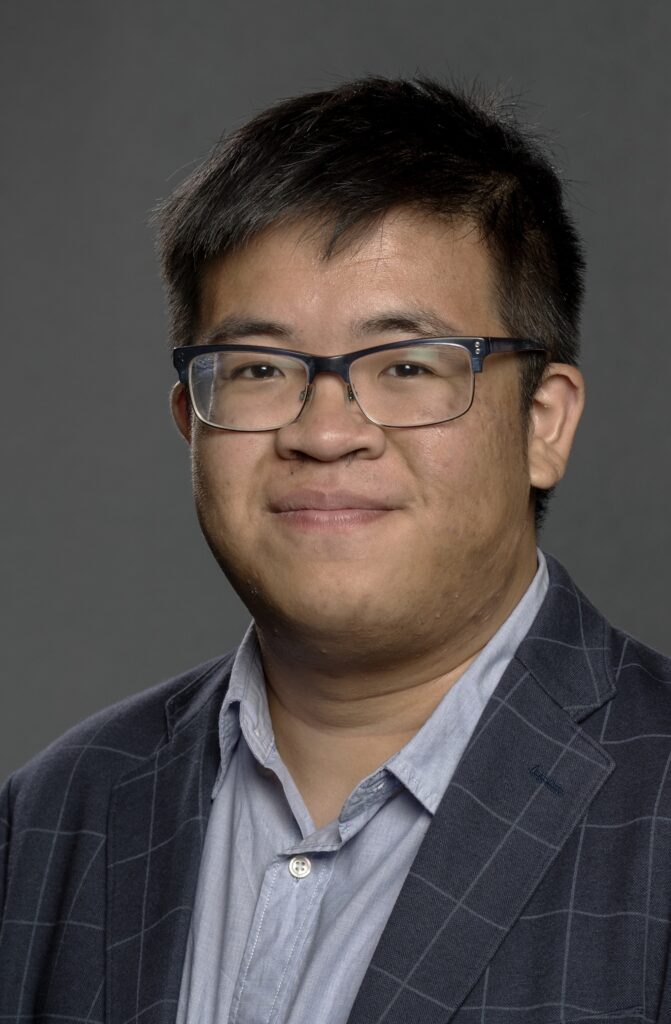
Bernard Z. Keo
Term runs from 2025-2027
Bernard Z. Keo is Assistant Professor of International History and Politics at the Geneva Graduate Institute and specialises in modern Southeast Asia, with a particular soft spot for studying its cosmopolitan port-cities and their contributions to global urban history. He was recruited from within the ranks of the GUHP (so to speak) as a graduate of 2020’s class of the GUHP Emerging programme which he remains passionate about contributing to. Outside his academic endeavours, he enjoys playing flâneur around the cities he visits (which is partly also a consequence of having a poor sense of direction).

Adrián Lerner
Term runs from 2025-2027
Adrián Lerner is a historian of modern Latin America. He is currently finishing a monograph titled Jungle Cities: The Urbanization of Amazonia. Born and raised in Lima, Perú, Adrián is University Assistant Professor of Latin American History at the University of Cambridge. He obtained his PhD in History from Yale University and previously held academic positions at Princeton University and the Free University of Berlin. He looks forward to promoting scholarship on urban environmental history and comparative perspectives, and to help foster the reach of GUHP into the Global South.
Joseph Ben Prestel
Term runs from 2025-2027
Joseph Ben Prestel is a historian of Europe and the Middle East at Freie Universität Berlin. He is the author of Emotional Cities: Debates on Urban Change in Berlin and Cairo, 1860-1910. He co-edits the Global Urban History blog and Cambridge Elements in Global Urban History series. Joseph received his PhD in history from FU Berlin in 2015. Before joining FU’s history department, he held a position at the research center ‘History of Emotions’ at the Max Planck Institute for Human Development. During the academic year 2018-19, he was a Fung Global Fellow at Princeton University.
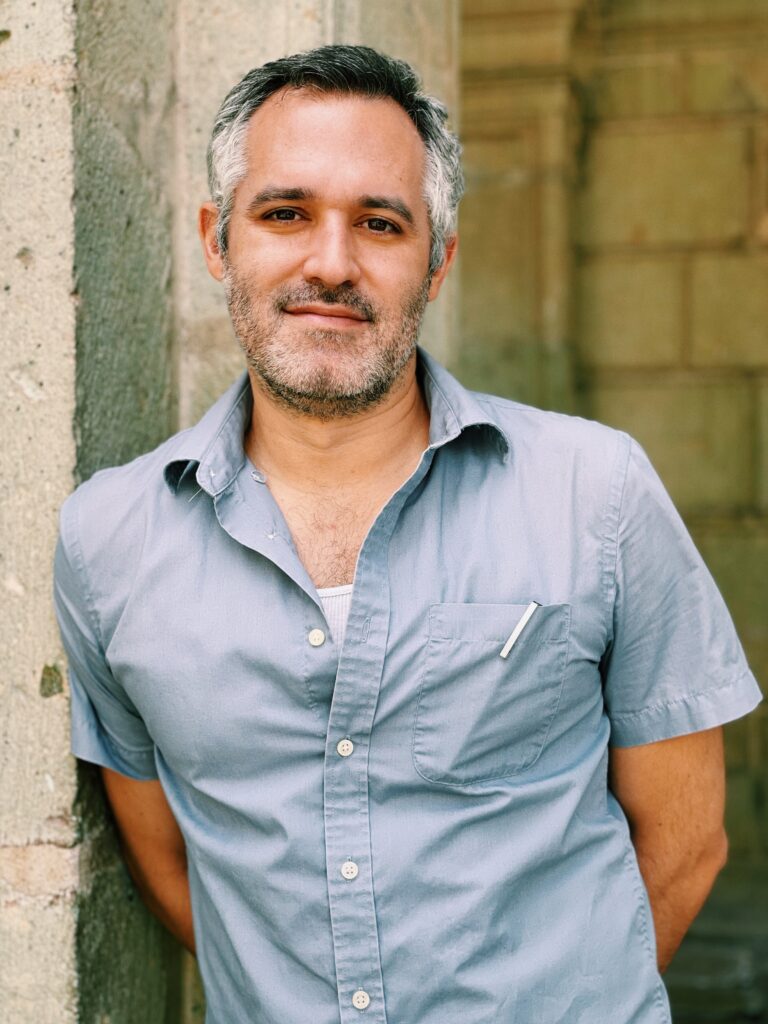
Emilio de Antuñano
Term runs from 2024-2026
Emilio de Antuñano is a historian of Latin American cities. He grew up in Mexico City, earned his PhD in History at the University of Chicago, and is currently an Assistant Professor at Trinity University, San Antonio. His first book, Informal Dis/Order: Revolution, Planning, and Informality in Mexico City, will study Mexico City’s so-called informal neighborhoods, examining how they were surveyed, mapped, and governed by state officials. Both as a system of governance based on the discretionary use of the law, and as a public problem construed by policymakers and scholars, informality carved the discursive and political arena where revolutionary claims to the city and urban modernization were negotiated. He has also conducted research on urban migration and the relationship between cities and expert knowledge. As a candidate for the Board of Directors, he looks forward to joining the Programming Committee (especially Dream Conversations and/or GUHP Emerging) and/or the GUHP Essay Prize Committee.
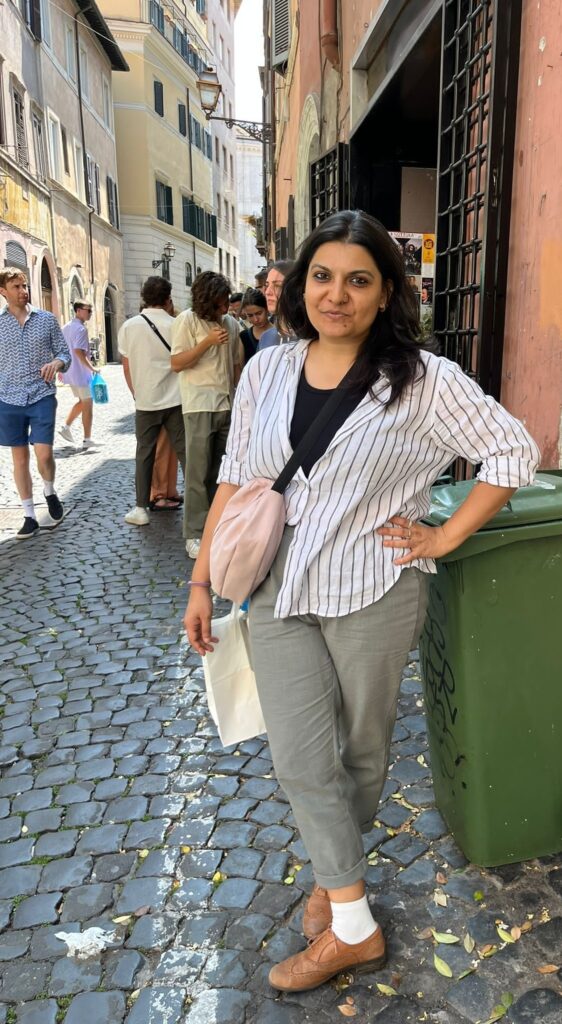
Anwesha Ghosh
Term runs from 2024-2026
Anwesha Ghosh is an Assistant Professor of History at the National Law School of India University in Bangalore, India. She completed her doctoral studies from the Department of History at the University of Toronto where she wrote a dissertation on the “municipalization” of Calcutta under British colonialism in the nineteenth and twentieth centuries. Anwesha participated in GUHP’s Emerging Scholar program in 2022-23 where she expanded on her work of understanding urbanity, urban historical methodologies through the lens of municipal governance and indeed, the politics of municipal depoliticisation. She has contributed to other GUHP events where she borached the question of translation practices in the work of urbanism alongside understanding the technologies of municipalisation in the context of privately run, technocratic urban complexes. As a prospective board member at the GUHP, Anwesha wishes to forge critical conversations in the field of translation, urban historical methodologies, and municipalism.
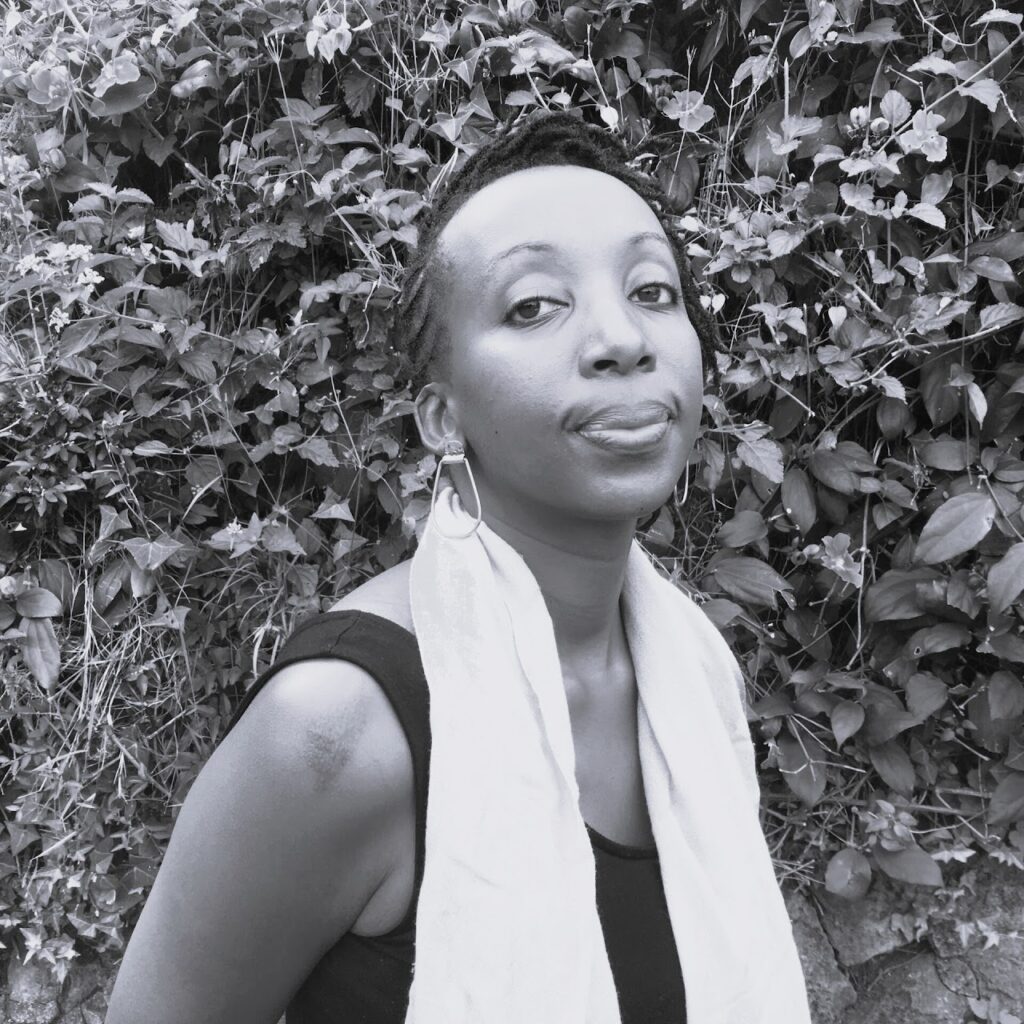
Wangui Kimari
Term runs from 2024-2026
Wangui Kimari is an urban anthropologist based in Nairobi, Kenya. She is also a lecturer at the American University Abroad Program in Nairobi, and an honorary research associate at the African Centre for Cities (ACC) at the University of Cape Town. Her work draws on many local histories and interdisciplinary theoretical approaches –including oral narratives, assemblage theory, urban political ecology and the Black radical tradition – in order to think through urban spatial management in Nairobi from the vantage point of its most marginalized residents. Wangui is also an editorial board member of the online publication Africa Is a Country (AIAC), and a co-organiser of the UTA-Do African Cities Workshop, an annual critical urban studies school that encourages young scholars, predominantly from the region, to theorise and valorise the various praxes that emerge through and with dynamic African spaces. Wangui is interested in being part of the Programing Committee, and, in particular, the GUHP Emerging Scholar program in 2024.
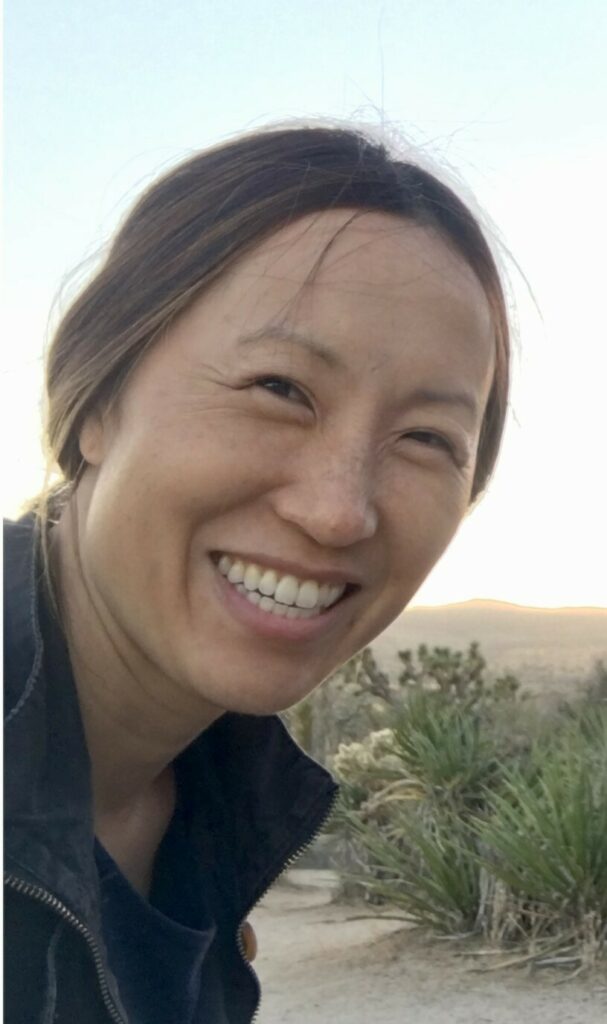
Nancy Kwak
Term runs from 2024-2026
Nancy Kwak is an urban historian interested in housing policy. Specifically, she is interested in how countries influence each other and how global actors shape how nations formulate homeownership programs. These days, she is also interested in food policy and urban agriculture. For GUHP, She would like to work with colleagues on programs that bring historical research to bear on current policy. And as always, she is interested in opening the door to academia for all newcomers and to making institutions more transparent and just.
Cyrus Schayegh
Term runs from 2024-2026
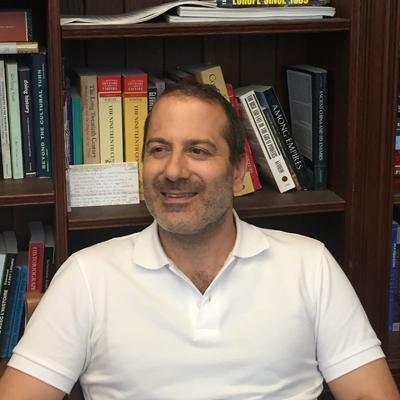
Cyrus Schayegh (PhD, Columbia University, 2004) has been Professor of International History at the Geneva Graduate Institute (IHEID) since 2017. Before, he was Associate and Assistant Professor at Princeton University (2008-2017) and Assistant Professor at the American University of Beirut (2005-2008). His recent works include The Middle East and the Making of the Modern World (Harvard UP, 2017), a monograph; Globalizing the U.S. Presidency: Postcolonial Views of John F. Kennedy (Bloomsbury, 2020), an edited volume; and International Dimensions of Decolonization in the Middle East and North Africa, a collection of translated primary sources (Wilson Center Digital Archive, 2023). Presently, he is inter alia writing an Introduction, and editing two volumes, on transimperial history; editing a collection of essays on empires and urban history; and writing a pair of texts on the linkage between civil aviation and urban development in early postwar Beirut.
E. Sasu K. Sewordor
Term runs from 2024-2026
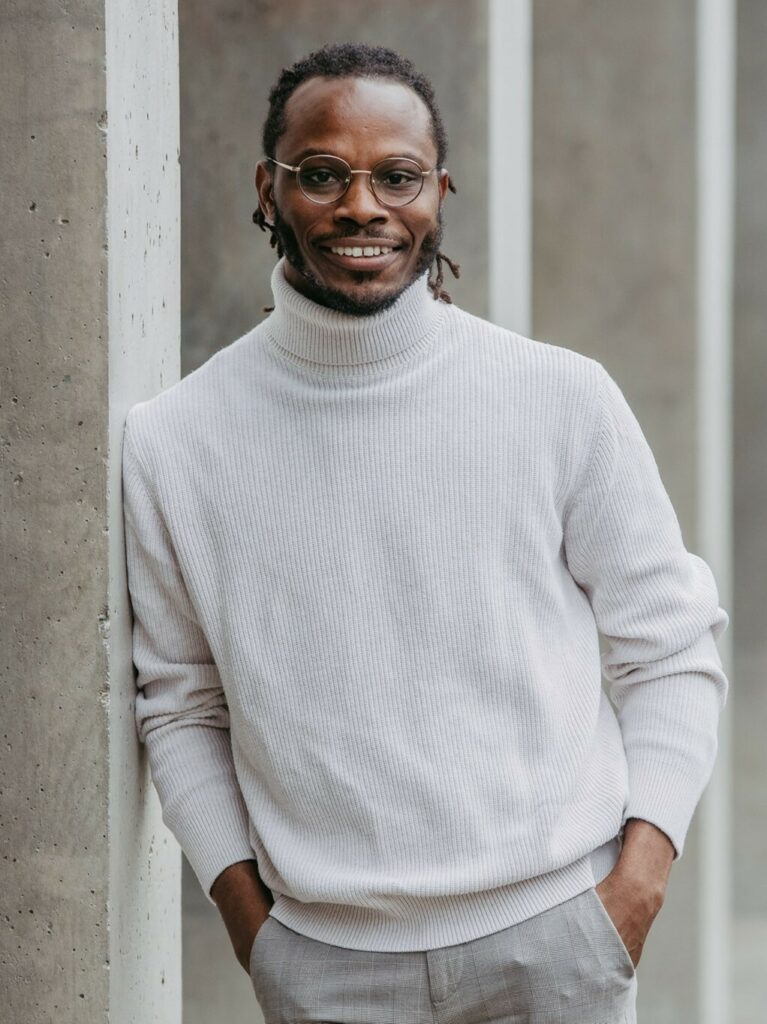
E. Sasu K. Sewordor is a postdoc researcher in urban studies/African history at the University of Basel, where he also teaches graduate and undergraduate seminars. He has previously researched the urban and architectural heritage of the Basel Mission’s trans-Atlantic evangelical activities in colonial southern Ghana, and has recently published about it in the Journal of the Society of Architectural Historians (2022/ vol. 81, no.2). He is currently working on his first book project, Color of Gold: Race Infrastructure, and the Urbanization ofMining Hinterlands in Southern Colonial Ghana, solicited by Duke University Press. Dr. Sewordor was part of the first cohort of GUHP’s Mentorship Program for emerging scholars and has presented at the “Theory for, of, and by Urban Historians” DreamsConversations. He brings his experience as a GUHP member who has grown within our community of urban historians/specialists, from being a mentee to a newly-minted PhD, and is dedicated to bringing to the Board of Directors a strong commitment to advance programming that targets the needs of doctoral students and early career members. He is particularly passionate about working together with colleagues on the Programming Committee to increase scholarly focus on Africa’s urban past through an expanded involvement of African scholars/researchers in the GUHP’s Emerging and Essay Prize initiatives for the 2024-2026 calendar year.
Marcio Siwi
Term runs from 2024-2026
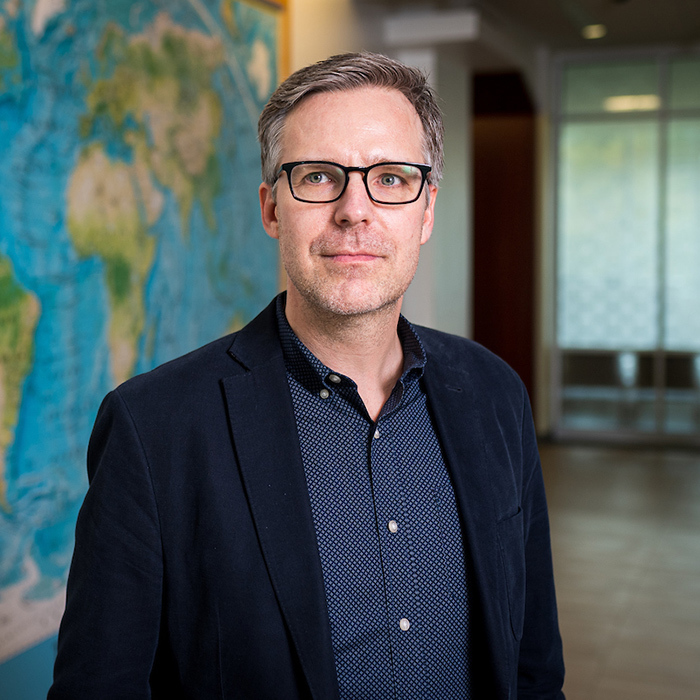
As a global urban historian working at the intersection of race, class, and development, Marcio Siwi is interested in exploring the city as a site of tension and contestation where diverse populations with conflicting commitments struggle for space, visibility, and a sense of belonging. He has published in the Journal of Urban History, Journal of Global South Studies, and The Guardian, among other publications. His newest article on cultural exchanges between New York and São Paulo in the 1940s and 1950s will soon appear in the Luso-Brazilian Review. He is currently working on a book manuscript titled São Paulo Modern: Art, Architecture, and Urbanism in Post-WWII Brazil. Siwi looks forward to the opportunity to contribute to theGlobal Urban History Project and its many exciting activities, which he has benefited from over the years. He is particularly enthusiastic about joining the Programming Committee and being part of the “Dream Conversations” series during the 2025 – 2026 academic year. He would also be interested in serving on the Nominations Committee. Siwi is an Assistant Professor at Towson University with a dual appointment in History and Metropolitan Studies. Prior to Towson he was a Consortium Faculty Diversity Fellow at Bowdoin College and a College Fellow at Harvard University. He also served as Program Manager of the Brazil Studies Program at Harvard’s David Rockefeller Center for Latin American Studies. Siwi is a native of São Paulo, Brazil, and a citizen of both Mexico and the United States.
Halimat Somotan
Term runs from 2024-2026
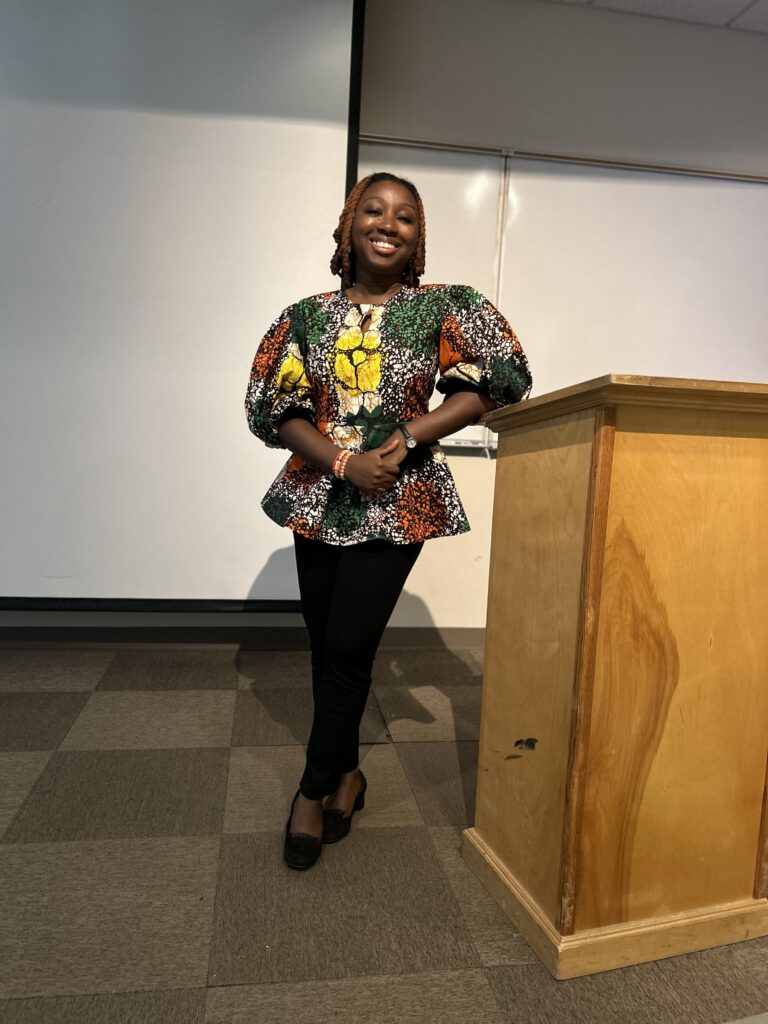
Halimat Somotan is a historian of twentieth-century Lagos and an assistant professor of African studies at Georgetown University’s School of Foreign Service. Somotan’s service agenda is motivated by her trajectory within GUHP. She joined GUHP after earning her doctoral degree from Columbia University in the summer of 2020. As a member of GUHP’s Emerging Scholars’ Workshop, she was fortunate to be in conversation with graduate students and recent doctoral degree holders whose exciting research topics across multiple regions animated hers. She has also been privileged to be mentored by senior scholars during and after my time in the emerging scholar program. As a GUHP board member, Somotan plans to join the prize committee in supporting the contributions of early career scholars to the development of Global Urban History.
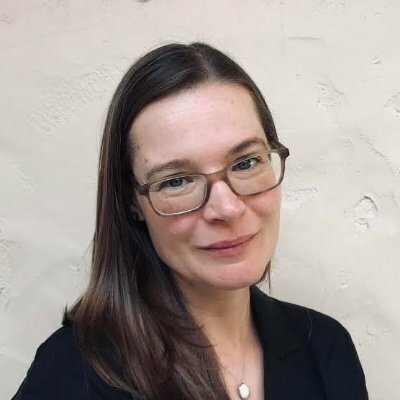
Katherine Zubovich
Term runs from 2024-2026
Katherine Zubovich is Associate Professor in the Department of History at University at Buffalo SUNY. She works on Soviet history, with a focus on Stalinism. Her publications include Moscow Monumental: Soviet Skyscrapers and Urban Life in Stalin’s Capital (Princeton University Press, 2021) and Making Cities Socialist, which is forthcoming with the Cambridge Elements in Global Urban History series. In addition to continued research and writing in urban history, Zubovich is also working on a history of Soviet data visualization during the Stalin era. She has participated in various GUHP initiatives in recent years, including serving in the mentorship program in 2020-21 and the essay prize committee in 2023. She is excited at the prospect of joining the GUHP Board and would look forward to serving on the Programming Committee and/or Nominations Committee in 2025-26.
International Advisory Council (IAC)
- Ademide Adelusi-Adeluyi, University of California Riverside
- Dries Lyna, Radboud University Nijmegen
- Pascale Ghazale, American University in Cairo
- João Júlio Gomes dos Santos Júnior, State University of Ceará, Fortaleza, Brazil
- Kristin Stapleton, University at Buffalo SUNY
- Gergely Baics, Columbia University
- Stefan Couperus, Reiksuniversiteit Groningen
- Rasmus Elling, University of Copenhagen
- Bronwen Everill, University of Cambridge
- Prashant Kidambi, University of Leicester
- Eliana Hamdie Murchie, Massachusetts Institute of Technology, Global Architectural History Teaching Collaborative
- Eric Beverley, University at Stony Brook SUNY
- Christian Schmid, ETH Zürich
- Isabella Jackson, Trinity College Dublin
- Seamus O’Hanlon, Monash University
- Anna Ross, Warwick University
- Michael Smith, University of Arizona
- Carl Abbott, Portland State University
- Coll Thrush, University of British Columbia
- Richard Harris, McMaster University
- Joseph Heathcott, New School
- Toby Lincoln, Leicester University
- Gary McDonogh, Bryn Mawr College
- Margaret O’Mara, University of Washington
- Eric Ross, Al Akhawayn University
- Emiliano De Antuñano Villareal, University of California San Diego
- Andrew Sandoval-Strausz, Penn State University
- Thomas J. Sugrue, New York University
- Weifang Lu, Shanghai Normal University
- Ayan Meer, Massachusetts Institute of Technology
- Katya Knyazeva, University of Eastern Piedmont, Vercelli
- Essi Lamberg, University of Helsinki
- Michael Yeo, University of Oxford
- Fernando Luis Martinez Nespral, Universidad de Buenos Aires
- Shiben Banerji, School of the Art Institute of Chicago
- Sam Grinsell, University of Antwerp
- Leandro Benmergui, Purchase College State University of New York
- Robert Cowherd, Wentworth University, Cambridge Massachusetts
- Kristie Flannery, University of Texas
- Gil Shohat, Humboldt-Universität zu Berlin
- Penglin Zhu, Technical University Delft
- Queenie Lin, Taipei National University of the Arts
- Santhosh Abraham, Indian Institute of Technology Madras, Chennai
GUHP Partnerships
In 2023, GUHP established a partnership with the NYU Department of History and the Centre for Urban History at the University of Leicester. The goal of the partnership is to share resources and expand intellectual interchange in the field of global urban history to the benefit of all three partners.
The Global Urban History Partnership builds on close connections between scholars at GUHP, NYU, and CUH that go back to GUHP’s first conference in 2019 at the University of Leicester. The partnership is designed as a dynamic, ongoing effort to seek new opportunities for all concerned. Guy Ortolano (NYU) and Toby Lincoln (University of Leicester) serve as directors of the new partnership.